

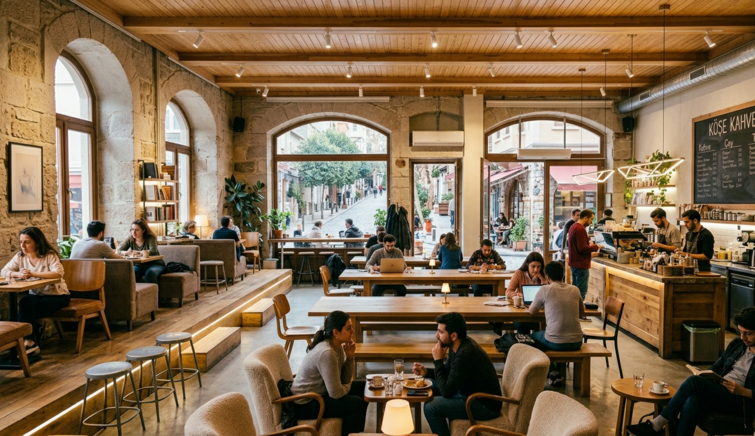
The Role of Furniture in Shaping Spatial Perception is one of the most important concepts in modern interior architecture and design. Furniture is not only a functional necessity but also a powerful element that influences how people perceive and experience a space.
The size, color, texture, material, and arrangement of furniture can make interiors feel larger, smaller, warmer, more inviting, or more professional. From residential homes to commercial environments, furniture plays a key role in creating atmosphere, improving functionality, and shaping emotional responses.
As interior design continues to focus on user comfort and spatial efficiency, understanding the relationship between furniture and spatial perception has become essential for creating balanced and visually appealing spaces.
In interior architecture, spatial perception is not formed solely by the position of walls or the height of ceilings. One of the most important elements that determines the impact a space has on people is furniture.
Furniture directly shapes the character of a space through its function, dimensions, color, texture, and arrangement. The same room can feel either larger or smaller, warmer or more formal, depending on the furniture choices.
For this reason, furniture in interior architecture is not merely a functional object but also a psychological and aesthetic tool. How users move within a space, how they feel, and how they experience the environment largely depend on the furniture layout.
The Psychological Dimension of
Spatial Perception
People perceive the environments they inhabit not only visually but also emotionally. The first impression formed when entering a space is often related to the atmosphere created by the furniture.
Large and dark-colored furniture can provide a sense of security while also creating a somewhat oppressive effect. On the other hand, furniture with light tones and minimalist lines creates a more spacious and relaxing perception. Therefore, furniture selections in interior architecture projects are made by considering the user profile.
For example, warmth and intimacy are prioritized in residential spaces, while a more disciplined and professional atmosphere may be targeted in corporate offices. Furniture plays a fundamental role in shaping this psychological perception.
The Effect of
Furniture Scale on Space
The size of furniture can make a space feel larger or smaller than it actually is. Bulky sofas and large tables used in a small room can make the area appear cramped, whereas slim-lined and compact designs create a sense of spaciousness.
In modern interior architecture, scale balance is especially important. In spaces with low ceilings, choosing low-profile furniture can make the area feel more expansive.
Conversely, in spaces with high ceilings, large and eye-catching furniture can be used to balance the feeling of emptiness.
While establishing this balance, interior architects consider not only aesthetics but also user comfort.
The Contribution of
Color Choices to Spatial Atmosphere
Furniture colors are among the strongest elements that define the energy of a space. Light-colored furniture reflects more light, making an area appear larger and brighter.
White, cream, and pastel tones are frequently preferred, especially in smaller spaces. Dark-colored furniture, while providing a more sophisticated and powerful appearance, can make a space feel smaller. In addition, the psychological effects of colors are also taken into consideration.
Blue tones create a sense of calmness, while warm colors such as yellow and orange evoke energy and vibrancy. Through the right color combinations, furniture in interior architecture becomes more than just a decorative element and turns into a defining factor of the spatial atmosphere.
The Effect of Furniture Layout on
Spatial Flow
A space should not only be functional but also fluid and comfortable to navigate. Poor furniture placement can restrict movement and negatively affect the user experience. In interior architecture, circulation areas are carefully planned during furniture arrangement.
Especially in heavily used spaces such as living rooms, offices, and restaurants, users should be able to move around comfortably. In open-plan spaces, furniture also serves as a divider between different zones. For example, a sofa arrangement can separate the seating area from the dining area.
Thus, different functional zones can be created without physical walls. This approach provides both aesthetic and functional advantages in modern living spaces.
The Spaciousness Perception of
Minimalist Furniture
The minimalist design approach has become increasingly widespread in interior architecture in recent years. The idea of creating a more organized and calm living environment with fewer objects offers significant advantages, especially in small homes.
Furniture with slim legs, simple lines, and designs free from unnecessary details contributes to making a space appear larger.
Minimalist furniture also creates a sense of mental clarity. While crowded and complex furniture arrangements may increase feelings of stress, simple designs foster a peaceful atmosphere.
For this reason, many interior architects today recommend minimalist furniture, especially in compact urban living spaces.
The Role of Natural Materials in
Spatial Perception
Natural materials such as wood, stone, bamboo, and linen create a warm and inviting atmosphere in interiors.
Natural textures help users establish an emotional connection with a space. Wooden furniture, especially in residential settings, evokes feelings of security and comfort, while metal and glass surfaces create a more modern and industrial effect.
With the growing influence of sustainable design in recent years, interest in natural materials has increased significantly. Interior architects now consider not only aesthetics but also environmental impact when selecting materials.
As a result, furniture contributes not only to defining the character of a space but also to creating environmentally harmonious living environments.
The Relationship Between
Light and Furniture
One of the key factors shaping spatial perception is lighting. The interaction between furniture and light can completely transform the atmosphere of a space.
Furniture with glossy surfaces reflects light and creates a more vibrant appearance, while matte surfaces provide a calmer and more natural effect.
In addition, placing furniture in front of windows may block natural light from entering the space. Therefore, natural daylight is carefully considered during furniture placement in interior architecture.
Especially in smaller spaces, maximizing natural light is a primary objective. Furniture supported by proper lighting adds depth to a space and creates a more inviting atmosphere.
The Importance of Functional Furniture in
Modern Living
As modern living spaces continue to shrink, the demand for multifunctional furniture has increased. Foldable tables, storage beds, and modular sofa systems allow smaller spaces to be used more efficiently.
Functional furniture not only saves space but also enhances the sense of order. A clutter-free environment has a positive psychological effect on users.
Especially in studio apartments and compact offices, functional furniture directly improves spatial perception. In contemporary interior architecture, the balance between functionality and aesthetics has become one of the most important design criteria.
The Role of Furniture in
Creating Identity and Style
Furniture is one of the fundamental elements that shape the identity of a space. Classic carved wooden furniture creates a traditional atmosphere, while modern designs with metal details offer a contemporary appearance.
Scandinavian-style furniture represents simplicity and naturalness, whereas industrial designs convey a stronger and more rigid character. The goal of interior architecture is not only to achieve visual appeal but also to create unique spaces that reflect the user.
Therefore, furniture choices are made according to personal preferences, lifestyles, and usage habits.
The Impact of Furniture Use in
Commercial Spaces
In commercial spaces such as cafés, restaurants, hotels, and retail stores, furniture selection directly affects customer experience.
Comfortable seating areas can encourage customers to spend more time in a venue. Elegant and high-quality furniture used in luxury restaurants strengthens the perception of prestige, while modern cafés often favor more casual and comfortable designs.
In retail stores, furniture is arranged to support and highlight the products on display. In commercial interior architecture, the goal is to create an atmosphere that enhances user experience while reinforcing brand identity.
Furniture is one of the most important tools in achieving this process.
Conclusion: Creating Distinction
Through Furniture Design in Interior Architecture
In interior architecture, furniture is not merely a necessity but a powerful design tool that shapes spatial perception.
Factors such as color, scale, material, layout, and style directly influence how users experience a space. Well-chosen furniture can make small areas appear larger, create a warm atmosphere, and improve user comfort.
Today’s approach to interior architecture values psychological and functional elements as much as aesthetics. Therefore, furniture choices should be made not only for decorative purposes but also by considering human behavior and lifestyle habits.
At the core of successful interior design lies the harmony between space and furniture.
Aydın Yıldız
Brand Consultant
For modern, aesthetic, functional, and comfortable design, project, and implementation solutions, let’s get in touch now for the best interior architecture design ideas, project quotations, and turnkey interior design solutions.