

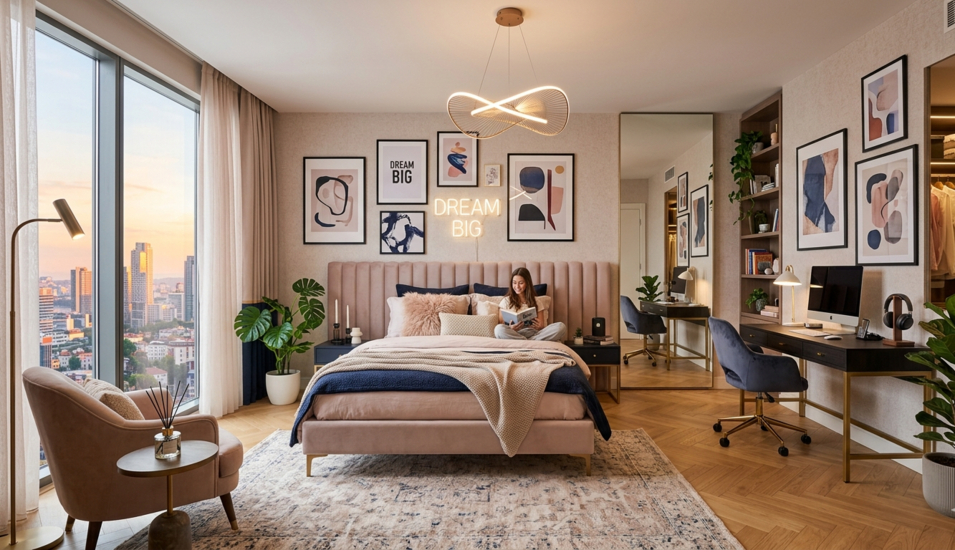
Today, interior design trends have become one of the most important factors shaping boutique hotels not only aesthetically but also in terms of guest experience.
A New Era in Boutique Hotels Through
Interior Design Trends
As travel habits evolve, guest expectations rise, and the influence of social media continues to grow, boutique hotels have transformed from simple accommodation facilities into lifestyle destinations that offer unforgettable experiences.
At the heart of this transformation lies well-planned interior architecture. In modern boutique hotel projects, design approaches are evolving around the principles of comfort, identity, sustainability, and technology, with the goal of allowing every space to tell a story.
For this reason, contemporary interior design strategies are increasingly regarded as strategic investments that enhance a hotel’s brand value.
Experience-Centered Spatial Designinterior design trends
One of the most prominent trends in boutique hotels in recent years is the concept of experience design.
Today’s guests seek more than just a comfortable room; they desire an atmosphere that makes them feel unique and valued. To meet these expectations, interior designers create spaces based on a narrative-driven approach.
From lobbies and corridors to guest rooms and communal areas, every section is designed to evoke specific emotions and experiences.
This approach strengthens the connection between guests and the hotel while fostering brand loyalty.
Particularly in boutique hotels, personalized design elements have emerged as one of the most effective ways to differentiate from standardized chain hotels.
Designs That Highlight Local Identity
One of the most preferred approaches in contemporary boutique hotel projects is the creation of a local design language.
Modern travelers increasingly seek authentic experiences that reflect the culture and spirit of their destination.
As a result, interior designers integrate regional history, architectural heritage, and cultural values into their designs.
Local stone materials, traditional textures, handcrafted products, and regional artworks enhance the character of the space.
The result is a design that is not only aesthetically appealing but also delivers a truly distinctive experience. Hotels that successfully express local identity leave a lasting impression on their guests.
The Rise of Natural Materials
Among the strongest trends in boutique hotels is the increasing use of natural materials.
Wood, natural stone, travertine, linen, and bamboo are widely preferred for their sustainability and their ability to create warm, inviting environments.
Spaces enriched with natural textures help guests feel relaxed and comfortable. Interior designers combine these materials with modern details to create timeless designs that remain relevant for years.
In addition, natural materials contribute significantly to a boutique hotel’s environmentally conscious brand image.
The Power of Biophilic Design
Another notable approach in modern boutique hotels is biophilic design, which aims to strengthen the connection between people and nature.
This concept is particularly popular in urban hotels, where access to nature may be limited.
Indoor greenery, vertical gardens, natural lighting solutions, and organic forms help improve guests’ psychological well-being.
Research indicates that environments connected to nature can significantly reduce stress levels.
Therefore, biophilic design is not merely an aesthetic choice but also a strategic tool for enhancing the overall guest experience.
Social Media-Friendly Design Concepts
With the rise of the digital era, creating Instagrammable spaces has become an important design criterion for boutique hotels.
Unique corners, striking lighting features, and eye-catching decorative elements encourage guests to capture and share their experiences.
Today, interior designers actively consider social media impact throughout the design process. From color palettes to artwork selections, many design decisions are made with shareable experiences in mind.
This strategy allows hotels to benefit from user-generated content and gain valuable organic marketing exposure.
Open and Fluid Space Planning
Traditional spatial divisions are increasingly being replaced by open-plan concepts.
In boutique hotels, lobbies, cafés, lounges, and coworking spaces are often designed as interconnected environments.
This approach creates a perception of spaciousness while encouraging social interaction.
Interior designers aim to integrate multiple functions into a cohesive whole, enabling guests to explore spaces freely and naturally.
Open-plan layouts also align well with the flexible lifestyles of today’s travelers.
Integrating Smart Technologies
Advancements in technology have accelerated the adoption of smart room systems in boutique hotels.
Lighting, climate control, curtains, and security systems can now be managed through digital platforms.
Interior designers seamlessly integrate these technologies without compromising visual harmony.
As a result, hotels can maintain aesthetic consistency while enhancing user comfort and convenience.
The discreet and user-friendly implementation of technology has become one of the defining characteristics of modern boutique hotel design.
The Rise of Minimal Luxury
One of the most influential trends in recent years is the concept of minimal luxury.
Highly ornate interiors are being replaced by refined spaces featuring carefully selected, high-quality elements.
A limited number of thoughtfully chosen furnishings, premium materials, and balanced color schemes elevate the overall sense of prestige.
This design philosophy allows guests to experience calm, sophisticated environments free from visual clutter.
Minimal luxury is particularly prevalent among upscale boutique hotel brands.
The Importance of Unique Lighting Design
Lighting design is one of the most influential elements in shaping the atmosphere of a boutique hotel.
In contemporary interior design, lighting is no longer viewed merely as a functional necessity.
Instead, it has become one of the primary tools for defining a space’s character and mood.
Layered lighting techniques, decorative fixtures, and accent lighting contribute to creating immersive and memorable environments.
For this reason, boutique hotels often develop distinct lighting scenarios for different areas within the property.
Multi-Functional Common Areas
Today’s guests use hotels for much more than accommodation.
As a result, multi-functional spaces have become increasingly important in boutique hotel design.
Workspaces, cafés, lounges, and social gathering areas can often coexist within a single environment.
Interior designers create these spaces with flexibility in mind, enriching the overall guest experience.
This allows hotels to transform into dynamic living environments capable of serving different needs throughout the day.
Sustainable Design Approaches
Sustainability has become a defining factor across all design disciplines, including boutique hospitality.
Under the framework of sustainable interior design, hotels increasingly adopt recyclable materials, energy-efficient systems, and environmentally responsible production processes.
This approach not only benefits the environment but also appeals to the growing number of environmentally conscious consumers.
Sustainability is expected to remain a fundamental design criterion for future boutique hotel developments.
Strategic Use of Color Psychology
In boutique hotels, color selection is no longer viewed solely as an aesthetic decision.
Color psychology has become an important tool for influencing user perception and behavior.
Earth tones create feelings of security and comfort, while green shades strengthen the connection to nature.
Blue tones promote calmness and relaxation, whereas warmer colors encourage social interaction.
Interior designers develop color strategies that align with the hotel’s concept while reinforcing brand identity.
Spaces Where Art and Design Converge
Today, boutique hotels are increasingly regarded as cultural and artistic destinations.
As a result, art-focused interior design continues to gain popularity.
Original artworks, pieces created by local artists, and bespoke design objects enrich the character of a space.
The integration of art into the built environment offers guests a deeper and more meaningful experience while strengthening the hotel’s unique identity.
Conclusion: Interior Design Is Shaping the Future of Boutique Hotels
The transformation taking place within boutique hospitality continues to highlight the strategic importance of interior design.
Current interior design trends revolve around experience-driven concepts, sustainability, technology integration, local identity, biophilic principles, and minimal luxury.
Successful boutique hotel design is not only visually appealing but also capable of creating memorable experiences that foster emotional connections with guests.
For boutique hotels seeking a competitive advantage in the future, a strong interior design strategy will remain one of the most valuable investments a brand can make.
Aydın Yıldız
Brand Consultant
For modern, aesthetic, functional, and comfortable design, project, and implementation solutions, let’s get in touch now for the best interior architecture design ideas, project quotations, and turnkey interior design solutions.