

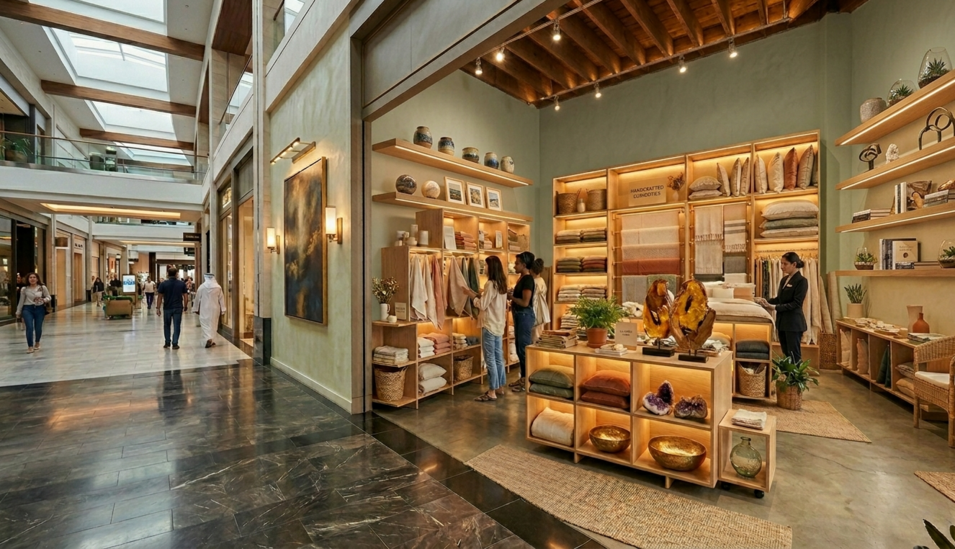
Today, success in the retail sector is no longer achieved solely by offering quality products; it also depends on delivering an engaging shopping experience to customers. In this regard, aesthetic store shelving stands out as one of the most important elements of store design.
Well-planned shelving systems increase product visibility while enhancing the overall atmosphere of the store, reinforcing brand identity, and guiding customer movement.
Shaped by interior design principles such as “visual hierarchy,” “spatial organization,” and “focal points,” aesthetic store shelvig elevates the perceived value of products and directly contributes to sales performance.
Modern shelving systems designed with wood, metal, glass, or mixed materials enable stores to achieve a stylish appearance while increasing customer dwell time and improving conversion rates.
Strengthen Your Sales with
Aesthetic Store Shelving
Why Is Aesthetic Store Shelving So Important?
One of the key requirements for success in retail is making the time customers spend in a store both productive and enjoyable.
At this point, aesthetic store shelving is not merely a structure for displaying products; it is also a critical design element that shapes the customer experience.
Today’s consumers do not simply want to purchase products; they prefer shopping in visually appealing, organized, and professional environments. For this reason, aesthetic store shelving is considered a strategic investment that enhances brand perception and directly influences sales performance.
A well-designed shelving system creates a strong “visual hierarchy” within the store, directing customer attention toward specific products.
Greater product visibility means customers spend more time in the store and make purchasing decisions more quickly.
In highly competitive industries, aesthetic store shelving is one of the key factors that helps a store differentiate itself from competitors.
Aesthetic Store Shelving from an Interior Design Perspective
In modern retail design, shelving systems are no longer used solely for storage or product display. From an interior architecture perspective, shelving is one of the fundamental elements that define a space’s character.
A properly planned “spatial organization” guides customer movement throughout the store while making products more visually attractive.
The shelving systems used in a store should follow design principles such as “scale,” “balance,” “proportion,” “rhythm,” and “focal point.”
These principles help create a space that feels more professional, organized, and inviting.
Especially in premium retail environments, aesthetic store shelving is considered an extension of the brand’s value.
Fundamental Principles of Sales-Driven Shelving Design
When designing aesthetic store shelving, sales psychology should be considered alongside visual appeal. Customer movement patterns, attention focus, and product perception all directly influence shelving layouts.
Studies show that customers naturally gravitate toward products displayed at eye level. Therefore, high-margin or featured products should be positioned within the “golden zone” at eye level. Combined with an aesthetically strong shelving design, this strategy can significantly increase sales.
Wooden Aesthetic Store Shelving for a Warm and Trustworthy Atmosphere
Wooden shelving systems are among the most popular forms of aesthetic store shelving today. The natural texture of wood creates a warm and welcoming atmosphere within the store.
Wooden shelves are particularly effective in boutiques, organic food stores, cosmetics shops, and concept stores, where they help establish a positive customer perception.
From an interior design perspective, wooden surfaces add a natural “texture” to the space. The organic color variations of wood help products stand out while enhancing the overall visual quality of the store.
Wooden shelving also complements modern, rustic, and Scandinavian design styles with ease.
Modern Shelving Systems Combining Metal and Wood
One of the strongest retail design trends in recent years has been the use of aesthetic store shelving that combines wood and metal.
The contrast between black metal frames and natural wood surfaces creates a modern and sophisticated appearance.
These systems are particularly popular in fashion stores, technology retailers, and home décor stores. Reflecting an industrial design aesthetic, they also offer long-lasting durability.
Aesthetic Store Shelving Enhanced with Lighting
No matter how well-designed a shelving system is, it cannot reach its full potential without proper lighting. Therefore, aesthetic store shelving should incorporate a “layered lighting” approach.
LED lighting installed beneath shelves highlights products more effectively. Warm lighting tones are especially beneficial in cosmetics, jewelry, and accessory stores, where they enhance product value perception.
Effective lighting increases customer interest in products and positively influences purchasing decisions.
Open Sightlines and Customer Flow
Successful store designs allow customers to comfortably view most areas of the store.
This concept is known in interior architecture as “open sightline planning.”
Lower aesthetic store shelving positioned in the center of the store enables customers to see farther into the space.
As a result, the store feels more spacious and inviting. Customers tend to spend more time in environments where they feel comfortable, which directly contributes to higher sales.
The Importance of Harmony Between Window Displays and Shelving
Aesthetic store shelving plays a significant role not only inside the store but also in window display design.
The design consistency between the storefront and interior strengthens brand identity.
By applying the principle of “design continuity,” customers experience a cohesive visual journey from the moment they enter the store.
Using complementary materials in both window displays and shelving systems creates a professional and polished appearance.
Advantages of Modular Shelving Systems
Product assortments in retail are constantly changing, making modular aesthetic store shelving increasingly popular.
Modular systems allow shelf heights, product layouts, and display areas to be adjusted easily.
This flexibility provides major advantages during promotional campaigns and seasonal product launches while reducing the need for additional investment when store concepts evolve.
The Impact of Color Selection on Sales
The colors used in shelving systems significantly influence customer perceptions of products. This concept is referred to in interior design as “color psychology.”
Anthracite, black, and dark gray tones create a sense of luxury, while oak, walnut, and natural wood tones evoke warmth and comfort.
White, on the other hand, enhances feelings of spaciousness and organization.
When designing aesthetic store shelving, color selection should always align with the overall store concept.
Aesthetic Shelving in Premium Retail Spaces
For luxury retailers, shelving design is especially important. Aesthetic store shelving should elevate the perceived value of premium products.
These stores often favor minimalist shelving systems that allow more display space per product, preventing visual clutter.
This approach is known in interior design as the use of “negative space” and is a defining characteristic of premium retail environments.
The Role of Aesthetic Shelving in Checkout Areas
Checkout zones are among the highest-converting areas in any retail store.
For this reason, aesthetic store shelving in these spaces should be both functional and visually appealing.
Small complementary items, promotional products, and impulse-buy products can be effectively displayed here. A well-organized checkout area can significantly increase last-minute purchases.
Shelving Design Aligned with Brand Identity
Every store aims to communicate its unique brand story to customers. Therefore, aesthetic store shelving should be an extension of brand identity.
Natural textures may be ideal for stores selling organic products, while metal and glass details may better suit technology retailers.
When designing shelving systems, interior designers should consider brand colors, logo language, and the overall design concept.
The Future of Aesthetic Store Shelving
Changing consumer expectations continue to influence retail shelving design.
Today, sustainable materials, smart lighting systems, and modular solutions are becoming increasingly prominent.
Eco-friendly aesthetic store shelving not only strengthens brand image but also provides long-term value and durability.
In the coming years, shelving systems integrated with digital screens, sensor-based display technologies, and customizable modular designs are expected to become even more widespread.
Conclusion: Aesthetic Store Shelving as a Powerful Marketing Tool
Aesthetic store shelving is far more than a product display solution—it is a powerful marketing tool that can significantly improve sales performance.
Through effective “spatial planning,” strong “visual hierarchy,” strategic “lighting design,” quality material selection, and brand-consistent details, stores can create a lasting impression on customers.
Whether constructed from wood, metal, or mixed materials, aesthetic store shelving enhances customer experience, increases time spent in-store, and ultimately contributes to higher sales.
Aydın Yıldız
Brand Consultant
For modern, aesthetic, functional, and comfortable design, project, and implementation solutions, let’s get in touch now for the best interior architecture design ideas, project quotations, and turnkey interior design solutions.
1 Comment
Effective and Organized Store Presentation with Product Display Shelving - Cenart Mimarlık
June 14, 2026, at 15:08[…] Product display shelving plays a critical role in creating store sections and optimizing sales areas. […]