

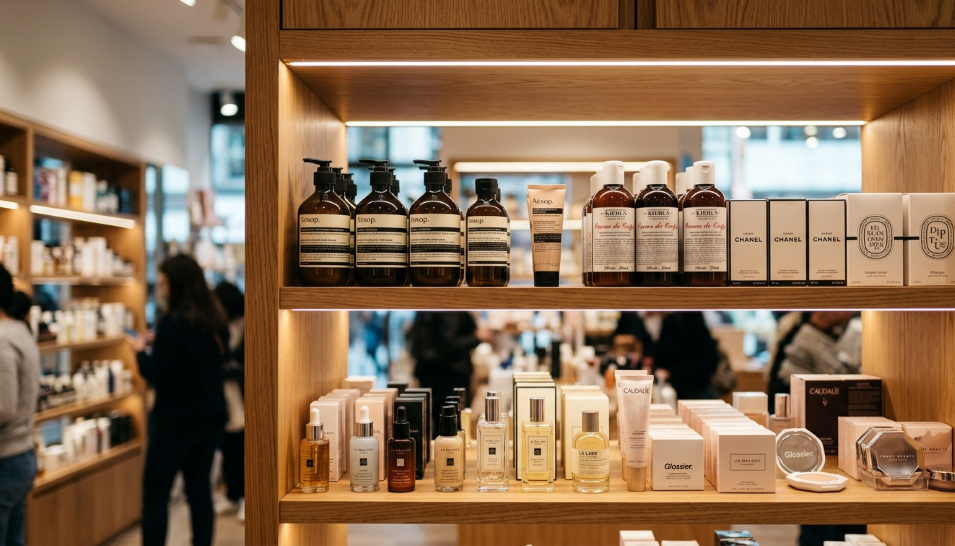
Product display shelving is one of the most important fixtures used in stores and retail environments to present products in an organized, attractive, and eye-catching manner.
Well-designed display shelving helps customers examine products more easily while also contributing to improved sales performance.
Manufactured to meet the needs of various industries, product display shelving is widely used in supermarkets, cosmetics stores, electronics retailers, home improvement centers, and many other retail environments.
Combining functionality with visual appeal, these shelving systems have become indispensable elements of modern store layouts.
The Importance of Merchandising Units in
Store Design
For all types of retail stores—including cosmetics, sportswear, fashion, footwear, electronics, bookstores, toy stores, furniture retailers, home décor stores, jewelry shops, supermarkets, stationery stores, pet shops, and technology retailers—effective product display systems are among the key drivers of sales success.
Merchandising units, retail shelving, gondola systems, wall shelving, and hanging display systems enable customers to move comfortably throughout the store, browse products easily, and make purchasing decisions more efficiently.
Well-planned display areas not only improve product visibility but also strengthen brand perception and enhance the overall customer experience.
Entrance Displays and
the Power of First Impressions
Customers typically form an impression of a store within the first few seconds of entering.
For this reason, entrance display shelving and promotional merchandising units play a strategic role.
In cosmetics stores, special displays featuring newly launched products; in sporting goods stores, seasonal merchandise showcases; and in electronics retailers, promotional display tables are all designed to capture customer attention immediately.
Modern and organized display systems at the entrance encourage shoppers to spend more time exploring the store.
The Impact of Window
Displays on Sales
Storefront windows serve as a retailer’s first point of communication with the outside world and play a critical role in attracting customers.
Particularly in fashion, footwear, jewelry, cosmetics, and electronics retailing, window display systems reflect the brand’s identity.
Special display platforms, illuminated shelving, and decorative merchandising elements make products more visually appealing.
A successful window display does more than showcase products—it offers a preview of the shopping experience customers can expect inside.
Utilizing Central Floor
Gondola Systems
One of the most commonly used fixtures in retail environments is the gondola shelving system.
Gondolas help guide customer traffic while providing high-capacity product display solutions.
Widely used in supermarkets, cosmetics stores, stationery shops, and toy retailers, these systems maximize floor space efficiency.
Their double-sided display capability makes them particularly effective for promotional and high-turnover products.
Space Efficiency Through
Wall Shelving
Wall shelving systems are essential retail solutions that maximize the use of available sales space.
Accessories in electronics stores, product lines in cosmetics retailers, book categories in bookstores, and various pet products can all be effectively displayed on wall-mounted units.
Offering substantial storage capacity, these systems create a clean and organized appearance while preserving customer circulation areas.
The Role of Hanging Display Systems in
Fashion Retail
Hanging display systems are widely used in women’s, men’s, children’s, sportswear, and lingerie stores because they maintain the natural appearance of garments.
Wall-mounted hanging systems, central floor racks, circular displays, and modular hanging solutions can be adapted to different store concepts.
Allowing customers to easily browse products and experience fabric textures significantly increases the likelihood of purchase.
Display Strategies for
Cosmetics Stores
Because cosmetics retailers carry a wide variety of products, display planning is particularly important.
Makeup stands, tester units, wall display systems, and island displays allow customers to interact with and try products before purchasing.
Well-lit cosmetic shelving enhances product colors and contributes to a more engaging customer experience.
Dynamic Display Areas in
Sporting Goods Stores
Products in sporting goods stores should be displayed in ways that communicate movement, performance, and energy.
Central display platforms, sports equipment shelving, and hanging systems provide customers with opportunities to compare products effectively.
Dedicated footwear display walls and product experience zones strengthen the store atmosphere and improve engagement.
Technology-Focused Merchandising in
Electronics Stores
Customers in electronics stores want more than visual access to products—they want hands-on experiences.
For this reason, experience tables, technology display units, and product demonstration areas are essential.
Modular shelving systems help organize smartphones, computers, and accessories while improving accessibility and sales performance.
Organized Layouts for Bookstores and
Stationery Retailers
Bookstores and stationery retailers often manage extensive product assortments.
Category shelving, wall-mounted bookcases, and central display tables help customers quickly find what they are looking for.
Special display areas near the entrance featuring new releases or promotional products can significantly increase customer interest.
Visual Appeal in
Toy Stores
Toy stores benefit from colorful and engaging display systems.
Thematic display zones, child-friendly shelving solutions, and interactive merchandising units capture children’s attention while making shopping easier for parents.
Organizing products according to age groups further enhances store layout and navigation.
Concept-Based Displays in Furniture and
Home Décor Stores
Furniture retailers often present products as complete living spaces rather than individual items.
Concept room layouts, decorative display platforms, and product combination areas help customers visualize products within their own homes.
This approach is a powerful driver of higher conversion rates.
Premium Merchandising in
Jewelry and Watch Stores
Display systems in jewelry and watch stores must balance aesthetics with security.
Glass showcases, illuminated display units, and lockable merchandising systems enhance perceived product value.
Minimalist designs allow products to stand out while reinforcing a premium retail atmosphere.
Shelf Organization in
Supermarkets and Grocery Stores
In supermarkets, product placement strategies are designed primarily to guide customer traffic and maximize sales.
Gondola shelving, end-cap displays, promotional stands, and checkout displays are strategically positioned throughout the store.
Products placed near checkout counters encourage impulse purchases and represent a significant source of additional revenue.
Functional Shelving for Pet Shops and
Specialty Retailers
Retailers such as pet shops, hobby stores, and bicycle shops often carry products of varying sizes and purposes.
As a result, modular shelving systems, heavy-duty display units, and category-based merchandising areas are commonly preferred.
Wide aisles are equally important to ensure customers can browse comfortably.
Checkout Area Design:
The Final Sales Opportunity
One of the most overlooked yet highly profitable areas of a store is the checkout zone.
Small product display racks, promotional stands, and impulse-buy units placed near payment counters encourage additional purchases during checkout.
Cosmetics, technology accessories, confectionery items, stationery products, and small gifts are frequently displayed in this area.
Integrating Lighting with
Display Systems
Lighting plays a critical role in the effectiveness of product display systems.
LED shelf lighting, spotlights, and window display illumination make products more visually appealing.
In jewelry, cosmetics, and fashion retailing, proper lighting directly influences product perception and purchase intent.
The Future of
Modular Display Systems
As retail concepts continue to evolve, stores are increasingly seeking adaptable merchandising solutions.
Modular display systems, portable shelving solutions, and reconfigurable gondola units are becoming more popular due to their flexibility.
These systems allow retailers to respond quickly to seasonal campaigns and changing product assortments.
Conclusion:
Effective Product Display Strategies
Across all retail sectors—from cosmetics and sporting goods to electronics, bookstores, supermarkets, and jewelry retailers—effective product display strategies remain fundamental to sales success.
Entrance displays, window merchandising systems, central gondolas, wall shelving, hanging display solutions, and checkout merchandising units all contribute to shaping customer experiences while improving operational efficiency.
Successful store design is not simply about displaying products; it is about creating a complete shopping experience that guides customers, strengthens brand perception, and drives sales.
Aydın Yıldız
Brand Consultant
For modern, aesthetic, functional, and comfortable design, project, and implementation solutions, let’s get in touch now for the best interior architecture design ideas, project quotations, and turnkey interior design solutions.